
What is the UPI Switch?
How the UPI Switch Works,
And Why It Changes the Game.
bluSwap’s UPI Switch intelligently routes, scales, reconciles, and secures UPI transactions—solving performance, scalability, and reliability challenges faced by banks and platforms.

Transaction Optimization
Faster processing and significantly fewer transaction failures, even during peak loads.
- •User initiates UPI payment
- •Request flows bank to NPCI
- •Bank infrastructures vary widely
- •Switch selects optimal route

Scalability for Banks
Banks handle peak UPI traffic without overhauling core systems.
- •UPI volumes spike rapidly
- •Core systems face limits
- •Traditional infrastructure bottlenecks
- •Switch enables smart scaling
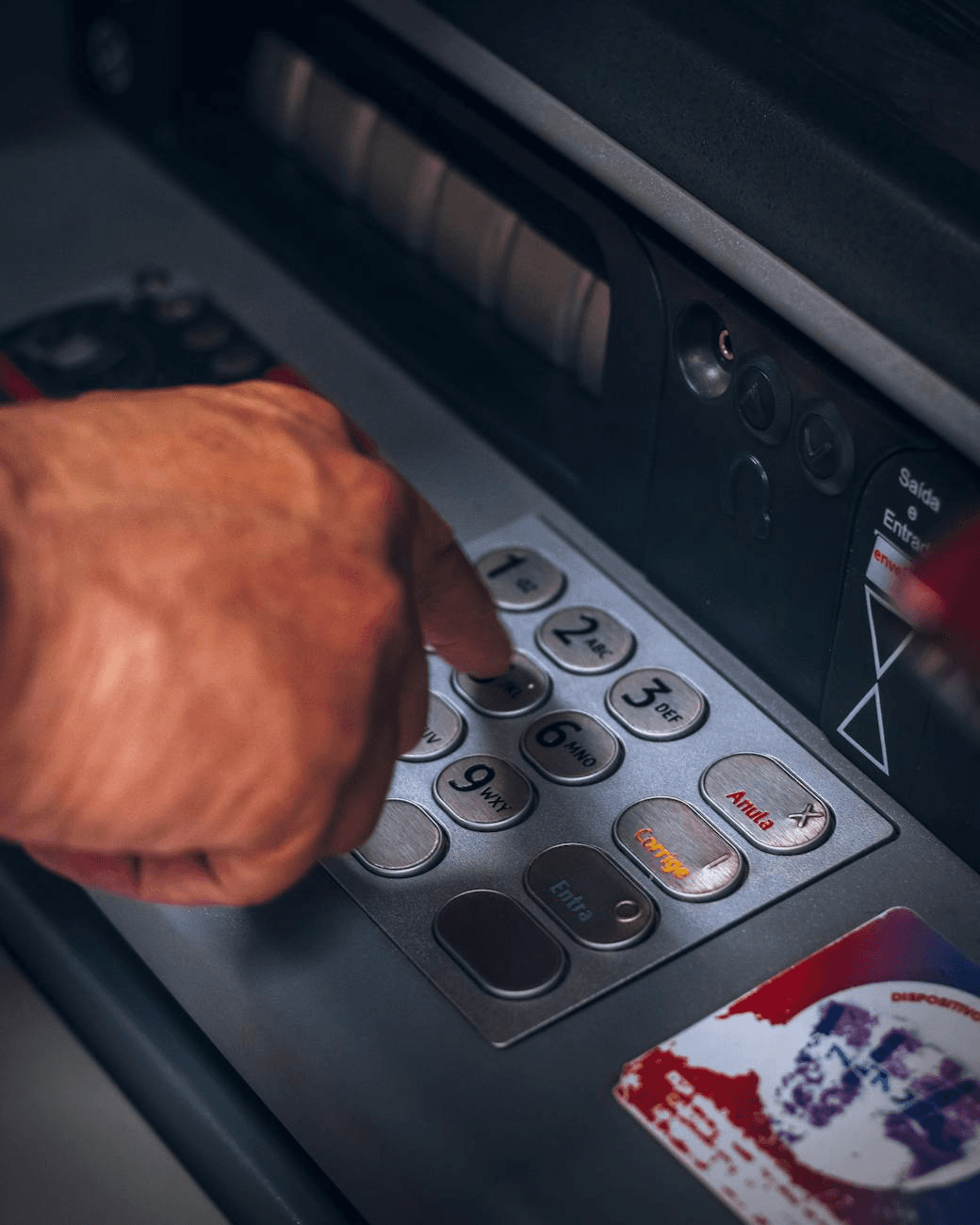
Real-time Reconciliation
No discrepancies, no surprise deductions, and higher user trust.
- •Transactions tracked in real time
- •Status updates stay synchronized
- •Failed payments reconciled instantly
- •User balances remain accurate
Challenges
The Hidden Challenges
Holding UPI Payments Back
Inconsistent user experiences, security risks, compliance complexity, scalability limits, and interoperability gaps continue to impact trust and performance across the UPI ecosystem.

Inconsistent User Experience
Inconsistent performance across banks and apps leads to uneven user experiences and weakens trust in UPI payments.

Security Concerns
Rising UPI volumes increase security risks, requiring stronger safeguards to protect users and prevent fraud.

Regulatory Compliance
Meeting regulatory requirements becomes difficult without real-time monitoring and reconciliation of UPI transactions.

Scalability Issues
Growing UPI volumes strain traditional banking systems, making scalable expansion costly and difficult.

Interoperability Challenges
Lack of a unified layer makes seamless communication and transactions across different banks difficult.